
The Next Right Thing
A Hope Harbor Rescue Mission Success Story
Daniel stood outside the door to Hope Harbor. He was embarrassed, tired and hungry. He needed a place to sleep, but he didn’t want to go in.
How did I end up here?
Daniel had always been the guy who handled things—the person others came to for help. Now he was the one who needed help, and he had run out of options.
So Daniel walked through the door.
On the other side, Marcus greeted him and looked him in the eye.
“Come on in. Let’s get you something to eat.”
That night, Daniel ate, showered, changed into clean clothes and had a bed to sleep in.
The next morning, Marcus remembered his name.
“Morning, Daniel.”
It was a small thing, but to Daniel, it didn’t feel small.
As Daniel settled in at Hope Harbor, his case manager, Lisa, encouraged him to think beyond simply getting through each day. She asked what life might look like if things were different a year from now.
Daniel’s answer was simple: a job and a place where he could close the door and know it was his.
He chose to enter Hope Harbor’s nine-month recovery program. As the weeks passed, support began coming from different places.
A volunteer named Tom helped with his résumé. Daniel wasn’t convinced anyone would hire him after such a long gap in his work history.
“Somebody can’t hire you if you don’t give them the chance,” Tom told him.
Daniel also found community among the other men in the program. They celebrated when someone found work and knew when someone was having a difficult day.
And when someone left, they felt that, too.
One of those men was Reggie. He and Daniel had grown close, so when Reggie left the program early, Daniel couldn’t help thinking, That could be me.
About three months into the program, Daniel came close to leaving, too.
A phone call with his daughter, Emily, hadn’t gone the way he hoped. She was glad he was getting help, but she wasn’t ready to trust him again. She needed time to see that things really were different.
Daniel heard something else: She still doesn’t trust me.
With Reggie gone and the conversation with Emily weighing on him, Daniel wondered what the point was.
He packed his bag.
Marcus noticed and asked where he was going. Daniel told him he was done.
Marcus didn’t try to stop him. He asked Daniel to sit with him for a few minutes and shared something Daniel hadn’t known: Years earlier, Marcus had gone through the Hope Harbor recovery program himself.
“You?” Daniel asked.
Marcus told him he had wanted to leave more than once.
Then he said something Daniel needed to hear.
“You don’t have to fix the rest of your life tonight. You just have to decide what you’re going to do tonight.”
Daniel had been trying to solve everything at once—his relationship with Emily, finding a job and a home, staying sober for the rest of his life.
But that night, he only had to decide what came next.
So Daniel stayed.
The next morning, he got up and went to breakfast.
As Daniel continued through the program, he began recognizing that he couldn’t fix everything himself. The structure of his days helped, and recovery classes showed him that alcohol wasn’t his only problem. Drinking had also become a way of dealing—or not dealing—with the problems in his life.
His faith began changing, too.
Daniel had grown up going to church but hadn’t attended regularly in years. When life was going well, he hadn’t thought much about needing God. When things fell apart, he became angry.
At Hope Harbor, no one expected Daniel to pretend he had his spiritual life figured out. He remembers a Bible study about grace and one thought that stayed with him:
Maybe God isn’t waiting for me to get myself cleaned up before He wants anything to do with me.
Daniel began understanding grace differently. His mistakes still mattered, but they didn’t have to be the end of his story.
He saw some of that grace through people before he fully understood it from the Bible. Marcus knew what it was like to need another chance. Lisa kept showing up. People prayed with Daniel when he didn’t always know how to pray himself.
His own prayers began changing.
For a long time, his prayers about Emily had sounded something like, God, fix this. Please make her forgive me.
Eventually, he began praying differently.
“God, help me become the kind of father she can trust again—even if it takes a long time.”
Daniel realized he was no longer simply asking God to change everything around him. He was asking God to change him.
Daniel completed the nine-month program, found steady work with a local landscaping company and began saving money.
Eventually, he moved into a one-bedroom apartment of his own.
It wasn’t fancy, but it was his.
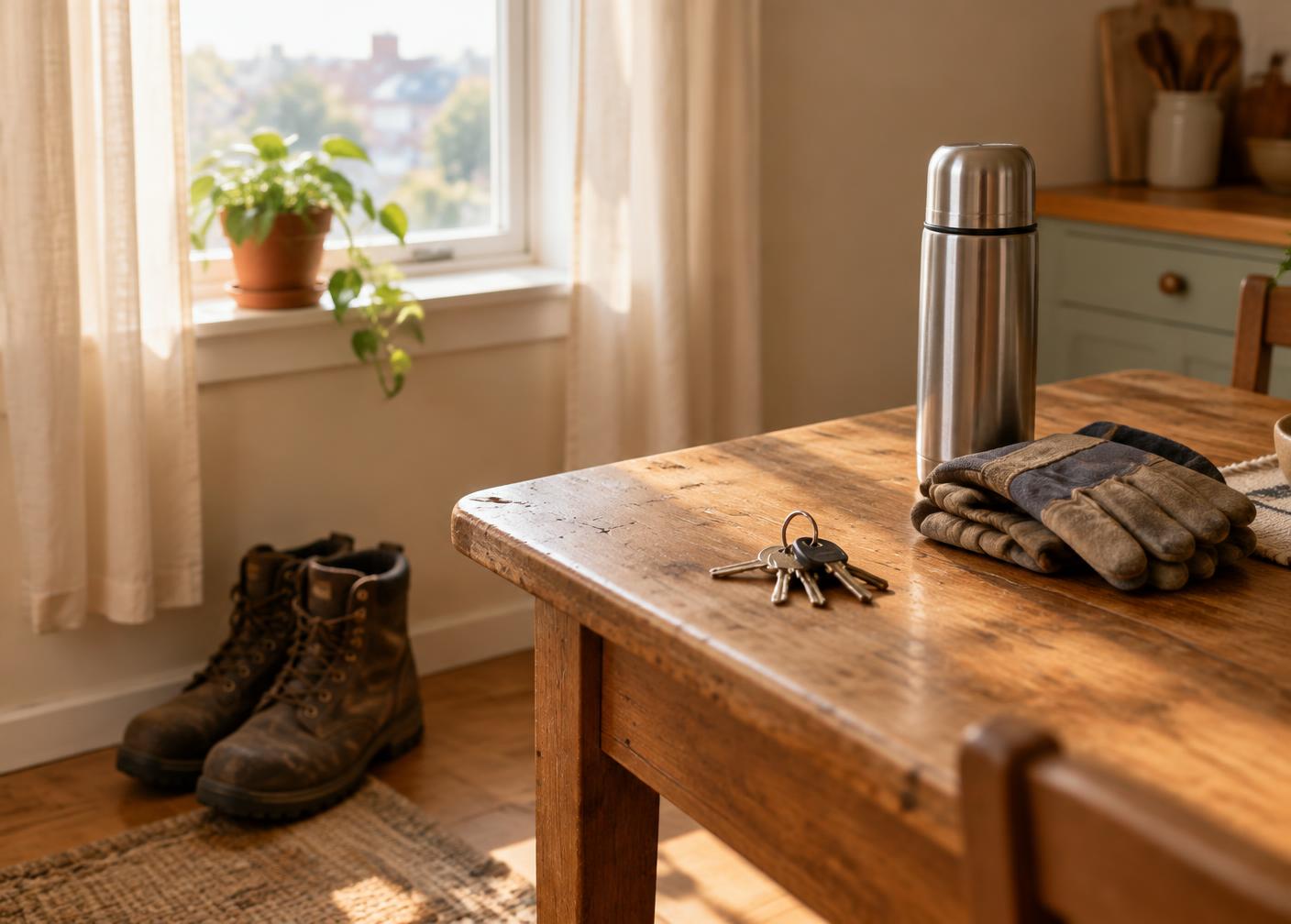
Daniel remembers looking around and thinking, I have a key to this place.
There had been a time when he didn’t have a key to anything.
Today, Daniel remains connected to the Hope Harbor community. He stays in touch with Marcus and Lisa, attends alumni gatherings when work allows and has thought about helping with maintenance at the mission someday—perhaps helping someone else the way Marcus helped him.
His relationship with Emily is rebuilding, too.
Daniel stopped trying to force it and realized he would have to earn her trust over time. They began texting again and meeting for coffee. They talk about her job, her apartment and everyday life.
Sometimes Emily calls simply because she wants to tell her dad about her day.
For the first time in a long time, Daniel gets to simply be Emily’s dad again.
“I’ve learned that saying you’re different isn’t worth much,” Daniel says. “You have to live differently long enough for people to see it.”
For now, Daniel is focused on the next right thing: working, paying his bills, staying sober, being there for his daughter and continuing to grow in his faith.
“It’s not a very exciting life,” he says. “But I worked pretty hard to get this ordinary life. So I’m grateful for it.”